
Who is Hafez Enayet Ullah from Dhaka-7 constituency?
- আপডেট : মঙ্গলবার, ১০ ফেব্রুয়ারী, ২০২৬, ৯.১০ পিএম
- ৫৪১ Time View
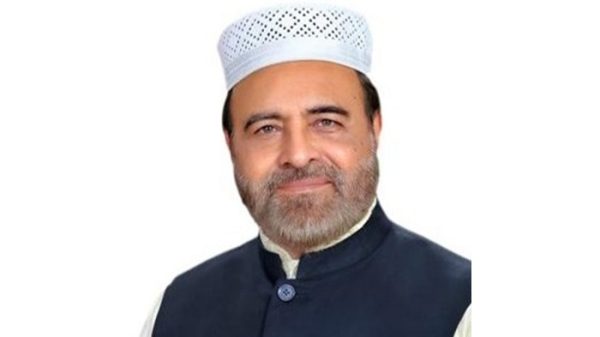
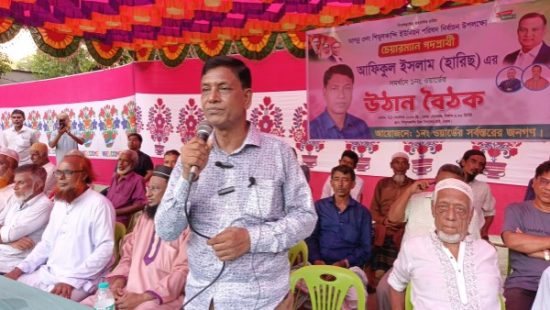
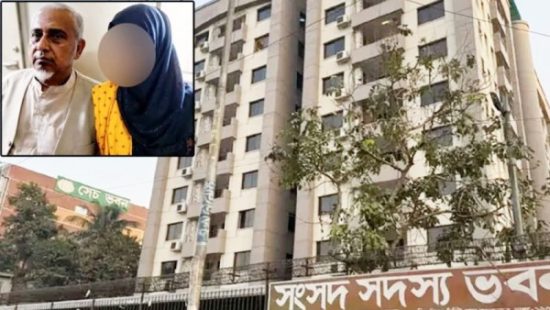
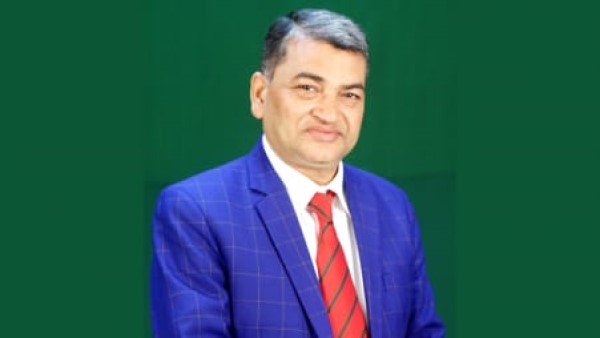
Ahead of the forthcoming national parliamentary election, the political landscape of Dhaka-7 constituency has gained renewed momentum with some outstanding election manifestos by Hafez Hazi Md. Enayet Ullah who is the nominated candidate from Bangladesh Jamaat-e-Islami.
He is an educated and established businessmen who has goodwill for having contribution to his society. In his election manifesto announcement, viewed by observers as a significant electoral milestone, sets out a detailed policy framework aimed at addressing the long-standing socio-economic and civic challenges of one of the capital’s most historically and commercially vital constituencies.
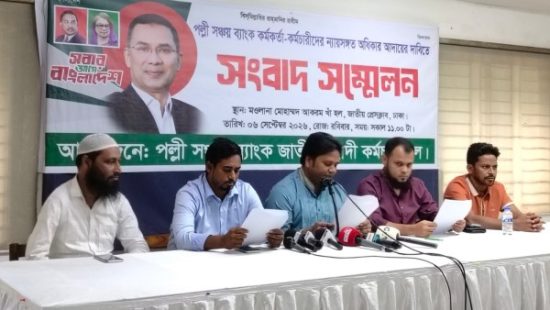
Commencing the event with the solemn invocation, Enayet Ullah reaffirmed his steadfast commitment to truth, justice, and reform-oriented politics, addressing the people of Dhaka-7, respected voters, and citizens from all the sphere of society with an appeal grounded in ethical governance and public accountability.
In his lifelong and multifaceted connection with Dhaka-7 through birth, residence, and business engagement, the candidate asserted that the constituency’s persistent and structural problems are neither abstract nor unfamiliar to him. Drawing upon this deep-rooted association, he articulated a clear political mission and vision to transform Dhaka-7 into a modern, livable, and citizen-centric constituency.
His proposed transformation envisions an area free from chronic traffic congestion, extortion, and drug abuse, while being enriched with greenery and safeguarded through enhanced cleanliness, public safety, and civic discipline. According to Enayet Ullah, sustainable urban development and social harmony must progress in tandem to ensure a dignified quality of life for all residents.
At the core of the manifesto lies an ambitious and comprehensive action plans that spans critical sectors fundamental to inclusive development. These include education, healthcare, and public security, alongside targeted welfare initiatives designed to uplift women, children, senior citizens, and persons with disabilities. The manifestos further pledge robust protection of the interests of businessmen and the working population, recognizing their indispensable role in sustaining the constituency’s economic vitality.
Infrastructural and environmental priorities feature prominently, with commitments to modernize sports facilities and public parks, conserve canals and rivers, and protect the banks of the Buriganga as part of a broader ecological restoration strategy.
Additionally, the manifestos outline plans for constructing environmentally sustainable walking paths, introducing digital healthcare services, deploying free medical teams, and establishing ward-based health centers to ensure accessible primary care.
Special emphasis has been placed on heritage preservation through the proposed formation of an Old Dhaka, aimed at safeguarding the constituency’s cultural legacy while promoting responsible tourism. Measures to strengthen community policing, expand ICT and skills development programs, and establish welfare funds and development committees further reflect a governance model rooted in participation and local empowerment.
As well as social and infrastructural reforms, Enayet Ullah pledged actions to curb harassment in VAT and tax collection, modernize markets and commercial hubs, simplify licensing and renewal procedures, and establish a transparent, equitable, and business-friendly taxation system. He sought the prayers and support of voters, expressing his aspiration to serve selflessly as a devoted custodian of the people of Dhaka-7, guided by integrity, accountability, and a profound sense of public duty.